How to Choose a Luxury Rug for a High-End Interior: A 6-Step Guide
To choose a luxury rug for a high-end interior, start with how the room is used and how it is proportioned, then decide size, material, texture, colour and construction, in that order. The right rug fits the furniture layout, suits the way the space is lived in and matches the quality of everything around it. When no standard rug fits, a bespoke rug made to measure is the most reliable answer.
Step 1: How will the room be used?
Function comes before style. A family living room needs a durable, easy-care surface, while a primary bedroom can put softness underfoot first. A dining room needs a low pile so chairs slide easily, and a hotel lobby or corridor needs a construction built for heavy traffic.
Step 2: What size should the rug be?
Most rooms look better with a rug that is larger than people expect. A rug that is too small leaves the furniture looking as if it is floating.
| Room | Sizing rule |
|---|---|
| Living room | At least the front legs of all seating on the rug, with 20–45 cm (8–18 in) of floor visible around the edges |
| Dining room | The rug extends 60–75 cm (24–30 in) beyond the table on every side, so chairs stay on it when pulled out |
| Bedroom | The rug extends 50–90 cm (20–36 in) beyond each side of the bed and past its foot |
| Open-plan space | One rug per zone (seating, dining, reading), each sized to its furniture group |
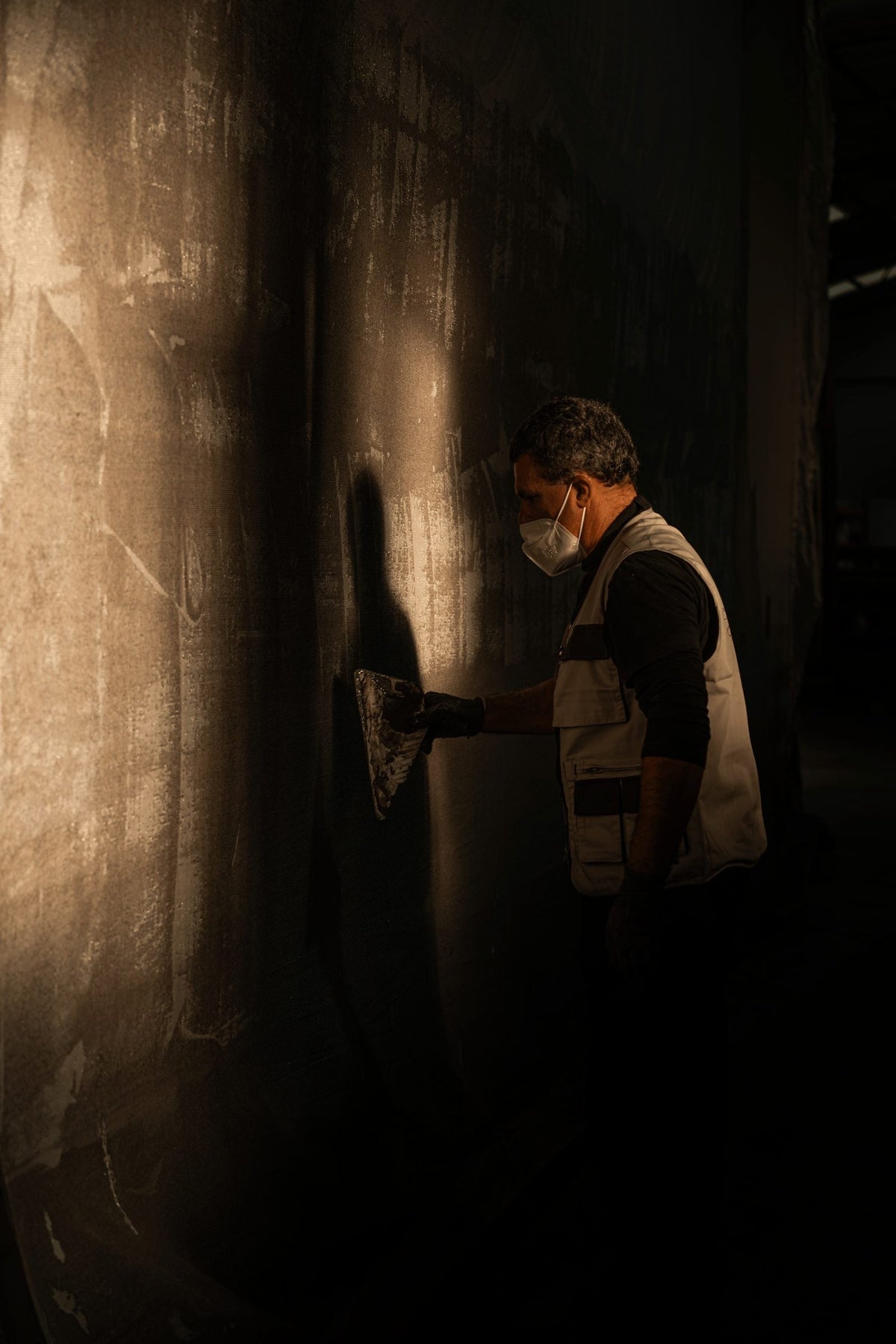
In luxury interiors, architecture rarely follows standard sizes. CORVO makes every rug to measure, including irregular and architectural shapes.
Step 3: Which material suits the space?
- Wool: resilient, warm and naturally stain-resistant; the best all-round choice.
- Silk: exceptional sheen and softness; best in low-traffic, formal rooms.
- Lyocell: a plant-based fibre with a silk-like sheen and a smooth hand.
For a full comparison, read Wool, Silk or Lyocell? How to Choose the Right Rug Material.
Step 4: Which texture and pile height?
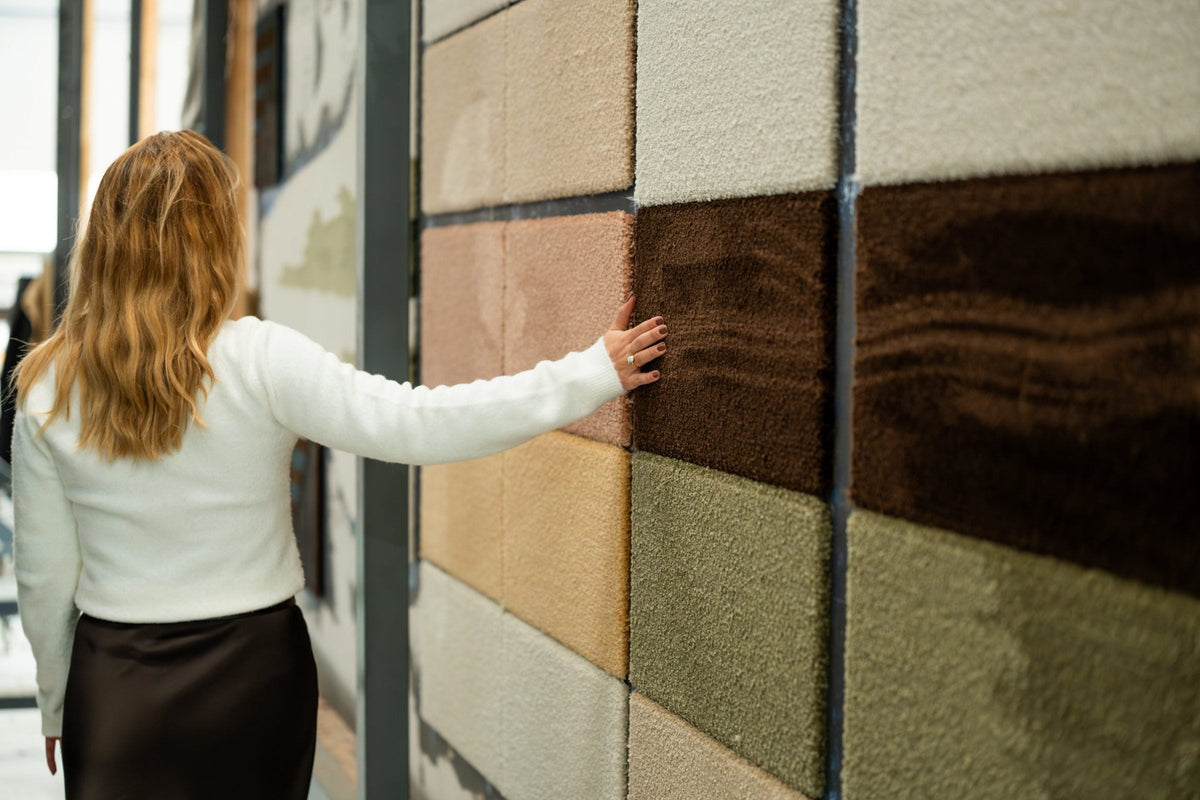
- Cut pile gives a soft, plush surface.
- Loop pile adds durability and visual texture.
- Cut and loop combined creates sculpted, high-low patterns.
- Low pile looks sleek and is easy to maintain, while high pile feels deeper and more luxurious.
Step 5: How do you choose colour and pattern?
First decide whether the rug should anchor the room or lead it. A tonal rug in the palette of the walls and upholstery brings calm and makes the space feel larger. A patterned or contrasting rug becomes the focal point and works best when other surfaces are quiet. Either way, judge colours in the room's real light, ideally on a physical sample.
Step 6: How do you judge quality?
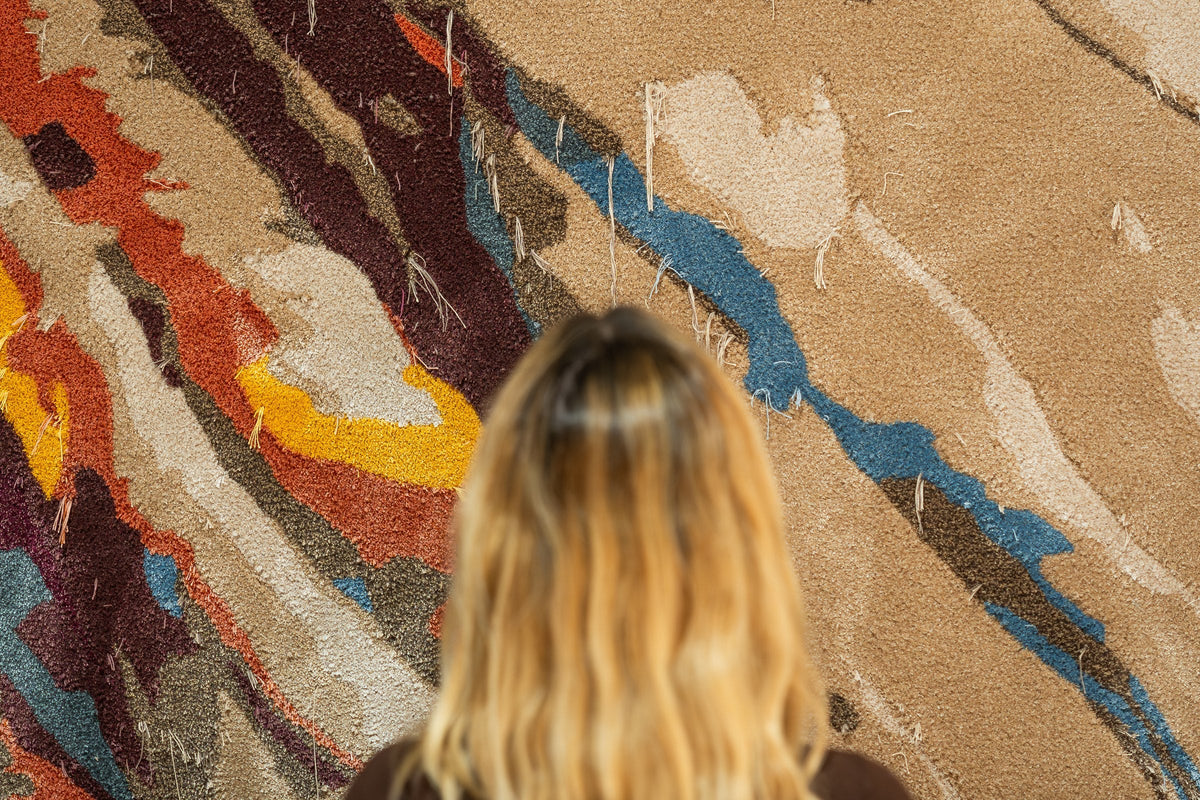
A luxury rug should be dense, even and cleanly finished, with sharp colour transitions and a neat back. Ask where and how it is made, which fibres it uses and how long it will take to produce: handcrafted, made-to-order rugs usually offer the highest quality and the longest life. The signs of good workmanship are explained in Portuguese Rug Craftsmanship: Techniques, Quality and Detail.
Quick checklist
- The function of the room is defined
- The rug size is set from the furniture layout
- The material suits the traffic and the feel you want
- Pile type and height are chosen
- Colours are approved on a sample, in real light
- Maker, construction and lead time are confirmed
For styling ideas room by room, see How to Choose the Perfect Rug: Elevate Every Space in Your Home.
Frequently asked questions
Is a bigger rug always better?
Usually. In most rooms, a rug that holds the whole furniture group looks more considered than a small one.
What is the most durable luxury rug material?
Wool is the most durable natural choice for everyday use.
When should I choose a bespoke rug?
When the room has unusual dimensions, when you need exact colours, or when the rug has to work with a specific design scheme. Start a bespoke project with CORVO.