Wool, Silk or Lyocell? How to Choose the Right Rug Material
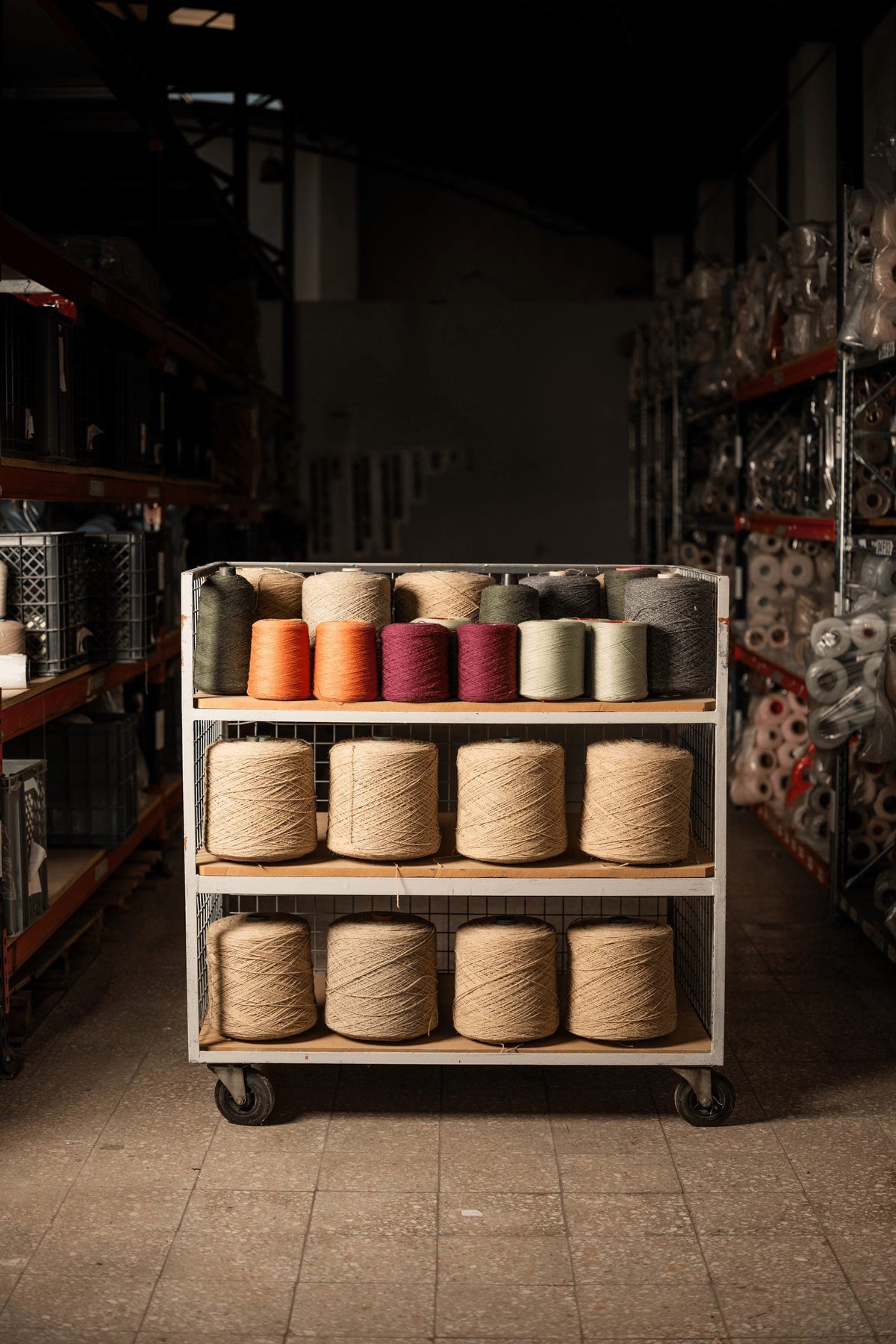
The right rug material depends on how the room is used. Wool is the most durable and versatile choice for everyday spaces. Silk and Lyocell bring the most sheen and softness, and suit low-traffic, formal rooms. Blends combine the resilience of wool with the light of silk or Lyocell. CORVO Rugs works with New Zealand wool, natural wool, internally developed silks, Lyocell and refined blends.
Rug materials compared
| Material | Feel | Sheen | Durability | Best for |
|---|---|---|---|---|
| New Zealand wool | Soft, springy | Soft lustre | High | Living rooms, bedrooms, hospitality |
| Natural wool | Warm, textured | Matte | High | Everyday spaces, natural interiors |
| Silk | Very smooth, fine | Very high | Low–medium | Formal, low-traffic rooms |
| Lyocell | Smooth, cool | High | Medium | Bedrooms, dressing rooms, accent zones |
| Wool and silk or Lyocell blend | Soft, with contrast | Medium–high | Medium–high | Living and dining rooms that need both |
Wool: the all-round choice
Wool is naturally resilient: its fibres recover after pressure, so furniture marks and footsteps fade. It resists soil and stains, insulates against cold and noise, and ages well. New Zealand wool is prized for its long, bright, soft fibres, which take colour beautifully. Choose wool for rooms that are lived in every day.
Silk: maximum light and refinement
Silk has an unmatched sheen that shifts with the light and with the direction of the pile. It is extremely fine and smooth, but more delicate than wool and more sensitive to wear and moisture. Use it in formal living rooms and bedrooms, or as highlights within a wool design. CORVO works with internally developed silks, selected for their touch and visual depth.
Lyocell: a plant-based alternative to silk
Lyocell is a fibre made from wood-pulp cellulose. It has a silk-like sheen and a smooth feel, and is often chosen as a more accessible, more sustainable alternative to silk. It suits bedrooms and quieter spaces, and adds light when combined with wool.
Blended fibres: the best of both
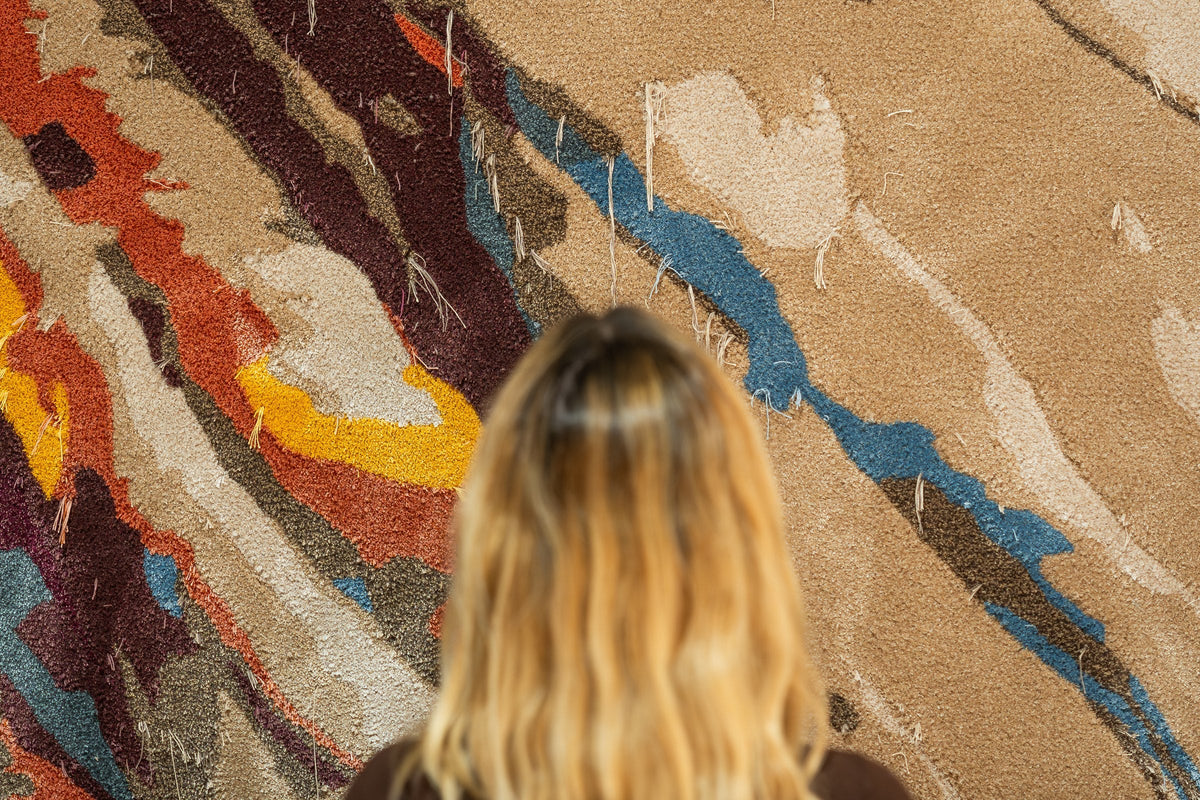
Blends combine materials in a single rug. A typical approach is a wool base for durability, with silk or Lyocell details that catch the light. Blends also make possible high-low textures and tone-on-tone patterns that appear only as the light moves. At CORVO, each rug is built as a balanced composition of texture, weight and light.
How to choose, room by room
- High-traffic living room or hotel lobby: wool or a wool-rich blend.
- Primary bedroom: New Zealand wool for comfort, or Lyocell or silk for softness and sheen.
- Formal sitting room: silk or a silk-rich blend.
- Dining room: low-pile wool, easy to clean and stable under chairs.
- Natural, relaxed interior: natural wool.
Size, texture and colour matter as much as fibre: see How to Choose a Luxury Rug for a High-End Interior: A 6-Step Guide.
Frequently asked questions
Which rug material is the most durable?
Wool, thanks to its natural resilience and stain resistance.
Is silk practical for a rug?
Yes, in low-traffic rooms or as accents within a wool rug.
What is Lyocell?
A plant-based fibre made from wood-pulp cellulose, with a silk-like sheen.
How should I care for my rug?
Follow the Rug Maintenance Guide. For more on how CORVO selects its fibres, read The Art of Material Selection.
Not sure which fibre suits your space? Start a bespoke project and the CORVO team will help you choose on real samples.